Common Diseases in Cats: Gastrointestinal and Urinary Tract Problems
Cats can develop a range of gastrointestinal and urinary disorders which, when identified early, can be managed more effectively and with greater peace of mind.
Among the most common diseases in cats are gastrointestinal disorders, such as vomiting, diarrhoea and intestinal inflammation, and urinary tract problems, including cystitis, urinary stones and urethral obstructions.
Knowing which warning signs to look out for and adopting a thoughtful daily care routine that includes proper hydration, appropriate nutrition and a calm environment can help support your cat’s well-being and ensure timely intervention when needed.
Why Monitoring Your Cat’s Digestive Health Matters
A cat’s gastrointestinal system is sensitive to sudden dietary changes, parasites, infections, food intolerances and stressful situations.
Certain chronic conditions, such as inflammatory bowel disease, can also cause recurring vomiting, diarrhoea, weight loss and reduced appetite.
Bear in mind that an isolated episode of vomiting or softer stools does not necessarily indicate a serious illness. However, if symptoms persist for more than 24–48 hours, recur frequently or are accompanied by lethargy, you should contact your veterinarian.
Monitoring your cat’s eating habits, stool consistency and the frequency of vomiting episodes is therefore a simple yet valuable way to detect potential health problems early.
The Most Common Gastrointestinal Disorders in Cats
Among the most common diseases affecting the gastrointestinal system in cats are gastritis, enteritis, parasitic infections, pancreatitis and inflammatory bowel disease.
In particular, IBD (Inflammatory Bowel Disease) is one of the most common causes of chronic vomiting and diarrhoea in cats. It can also occur alongside pancreatitis and liver disease, a combination sometimes referred to as triaditis.
It is important to distinguish between acute and chronic symptoms. Sudden vomiting following an abrupt dietary change or the ingestion of something unsuitable often has a different underlying cause from progressive weight loss accompanied by abnormal stools over several weeks.
In both cases, however, only a veterinarian can provide an accurate diagnosis through a physical examination, faecal testing, blood tests and, where necessary, an ultrasound scan.
Digestive Symptoms You Should Never Ignore
- Repeated or persistent vomiting
- Diarrhoea, including stools containing blood or mucus
- Reduced appetite or refusal to eat
- Progressive weight loss
- A tense, painful or swollen abdomen
- Lethargy and reduced interest in playing
- Changes in stool frequency or consistency
If your cat displays one or more of these symptoms, avoid administering medicines or remedies intended for human use without veterinary guidance.
A diet containing highly digestible animal proteins, functional fibres and carefully selected ingredients can also help support digestive comfort and intestinal well-being, although it should never replace a veterinary diagnosis or treatment.
The Role of Nutrition in Supporting Digestive Health
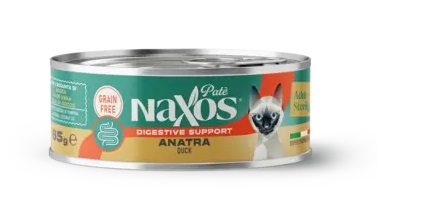
Food specifically formulated to support digestion can help maintain normal gastrointestinal function, particularly in cats with sensitive digestion or a tendency towards loose stools.
Naxos Digestive Support Cat Paté, for example, combines duck, chicken (liver), white fish, pumpkin, aloe vera and coconut oil in a grain-free recipe featuring highly digestible and palatable animal proteins.
Pumpkin provides natural fibres that promote digestive balance and support intestinal regularity, while aloe vera contributes to the comfort of the intestinal lining.
Coconut oil also provides medium-chain triglycerides, which the body can readily use, while the high digestibility of duck and chicken proteins helps reduce intestinal fermentation.
To learn more about caring for a cat with sensitive digestion, read our guide to cats with digestive issues and our article on complete wet food for cats.
Urinary Tract Problems in Cats: What You Need to Know
Urinary tract disorders are among the most important conditions to recognise in cats, particularly in males, neutered cats and those that drink very little water.
Feline Lower Urinary Tract Disease (FLUTD) encompasses several conditions, including idiopathic cystitis, urinary stones and urethral obstruction.
Importantly, not all cases of cystitis are caused by bacterial infections. In cats, bladder inflammation may be idiopathic, meaning that no identifiable cause can be established, and may be influenced by stress, environmental factors and lifestyle habits.
Preventive care therefore involves not only maintaining adequate hydration but also reducing sources of stress and ensuring proper litter box management.
Urinary Symptoms That Require Immediate Attention
- Frequent urination involving small amounts of urine
- Straining or pain when urinating
- Blood in the urine
- Urinating outside the litter box
- Excessive licking of the genital area
- Vocalising or showing signs of irritability while using the litter box
- Complete inability to urinate, which must be treated as an emergency
A male cat that cannot urinate may be experiencing a urethral obstruction, a potentially life-threatening condition requiring immediate veterinary intervention.
Likewise, blood in the urine or persistent pain in female cats should always be assessed by a veterinarian.
Hydration and Urinary Tract Health
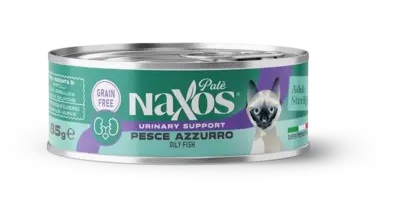
Hydration is one of the most important factors in supporting normal lower urinary tract function in cats.
Thanks to its high water content, wet food encourages greater urine production and helps dilute the urine, reducing mineral supersaturation.
Naxos Urinary Support Cat Paté is formulated with 81.6% moisture and contains oily fish, chicken (liver), cranberries, spirulina, salmon oil and DL-methionine.
These ingredients help support normal urinary tract function and the body’s natural defences, although the product is not intended for therapeutic purposes or as a veterinary prescription diet.
To find out more about the importance of water in feline nutrition, read our article on hydration in cats and our guide to cat neutering, which explains how neutering can influence appetite, weight and hydration requirements.
How to Promote Prevention and Everyday Well-Being
Alongside choosing a complete and balanced diet, certain daily habits can make a significant difference in helping to prevent common diseases in cats.
A stable environment that provides positive stimulation and minimises conflicts between animals can also support both urinary and digestive health.
- Always provide fresh, clean water, changing it at least once a day
- Choose wet food or combine wet and dry food to increase fluid intake
- Keep litter boxes clean and provide enough of them for the number of cats in your household
- Avoid sudden dietary changes, introducing new foods gradually
- Regularly monitor your cat’s weight, appetite, stools and urination habits
- Reduce sources of stress, such as loud noises, sudden changes or conflicts between pets
- Provide daily playtime and environmental enrichment
Furthermore, carefully reading cat food labels helps you understand ingredients, additives and nutritional characteristics, allowing you to make more informed choices for your feline companion.
Comparison Table: Gastrointestinal Disorders vs Urinary Tract Problems
| Aspect | Gastrointestinal disorders | Urinary tract problems |
|---|---|---|
| Typical symptoms | Vomiting, diarrhoea, loss of appetite, weight loss | Frequent urination, blood in urine, straining to urinate |
| Common causes | Parasites, food intolerances, dietary changes, IBD, pancreatitis | Idiopathic cystitis, urinary stones, infections, urethral obstruction |
| Risk factors | Poorly digestible diet, stress, parasitic infections, unsuitable foods | Low water intake, excess weight, neutering, stress |
| Nutritional support | Digestible proteins, fibres such as pumpkin, soothing ingredients such as aloe vera | High moisture content, DL-methionine, antioxidants such as cranberries |
| When to seek urgent veterinary care | Persistent vomiting or diarrhoea, blood in stools, lethargy | Inability to urinate, severe pain, significant blood in urine |
FAQ
If your cat vomits several times within a few hours, vomiting persists for more than 24–48 hours, or is accompanied by lethargy, dehydration or weight loss, contact your veterinarian. Even a single episode involving blood or following the ingestion of a foreign object requires immediate attention.
Yes. The high moisture content of wet food increases overall water intake and encourages greater urine production, helping to dilute the urine. This supports normal urinary tract function but does not replace a specific veterinary diet when a medical condition has been diagnosed.
It means that the bladder is inflamed without an identifiable bacterial cause or urinary stones. It is a painful condition that can be influenced by stress and environmental factors. Proper litter box management, adequate hydration and a consistent daily routine are therefore important.
Pumpkin is a natural source of fibre that can help promote digestive balance, while aloe vera contributes to the comfort of the intestinal lining. However, it is preferable to choose complete and balanced formulations such as Naxos Digestive Support rather than administering ingredients intended for human use without veterinary guidance.
Watch for signs such as urinating more frequently than usual, straining, meowing while urinating, excessive licking of the genital area or urinating outside the litter box. If you notice blood in the urine or, most importantly, if your cat is unable to urinate at all, seek veterinary attention immediately.
No. These foods support normal digestive and urinary health through functional ingredients and adequate hydration, but they do not treat or prevent specific diseases. If clinical symptoms are present, diagnosis and treatment must always be provided by a veterinarian.