

Leishmaniosis in dogs: what it is, how to prevent it and what diet to follow
Chances are that leishmaniosis is something that strikes a bit of fear into you just from hearing the name.
Don’t worry, that’s perfectly normal and simply the natural consequence of the deep affection you feel for your dog. Still, it’s worth knowing a little more about it so you can do everything necessary to prevent or manage any situation as best as possible, and that’s exactly the aim of today’s in-depth look.
Leishmaniosis is a parasitic disease that affects dogs throughout the Mediterranean area, caused by a protozoan of the genus Leishmania. Keep in mind that this condition is transmitted through the bite of a small insect, the phlebotomine sandfly, commonly known as the sand fly.
It’s a chronic disease that, if not recognized in time, can seriously compromise the animal’s health, which is why understanding its features helps every owner step in promptly.
What is canine leishmaniosis
Leishmaniosis in dogs is a zoonosis, meaning a disease that could in theory also affect humans, although cases of direct transmission are rare. Once the parasite enters the bloodstream through the bite of the vector insect, it spreads throughout the body, affecting several organs, including the skin, kidneys and bone marrow.
In this regard, it’s important to know that not every dog that comes into contact with the parasite goes on to develop the disease in its full-blown form, since much depends on individual immune response.
How it’s transmitted and what the symptoms are
Infection occurs almost exclusively through the bite of the sand fly, an insect that is most active in the evening and at night during the warmer months.
What’s more, the disease tends to show up with a highly variable clinical picture, which can include weight loss, fatigue, dermatitis and swollen lymph nodes.
Warning signs not to overlook
Some symptoms deserve particular attention because they are often mistaken for other, less serious problems. These include:
- Localized hair loss, particularly around the eyes and on the back
- Nails that grow abnormally, becoming long and brittle
- Small skin ulcers that are slow to heal
- Persistent tiredness and reduced appetite
Nosebleeds with no apparent trauma
As a result, if even one of these signs is noticed, it’s advisable to consult your trusted veterinarian for a thorough assessment.
Diagnosis and treatment of leishmaniosis in dogs
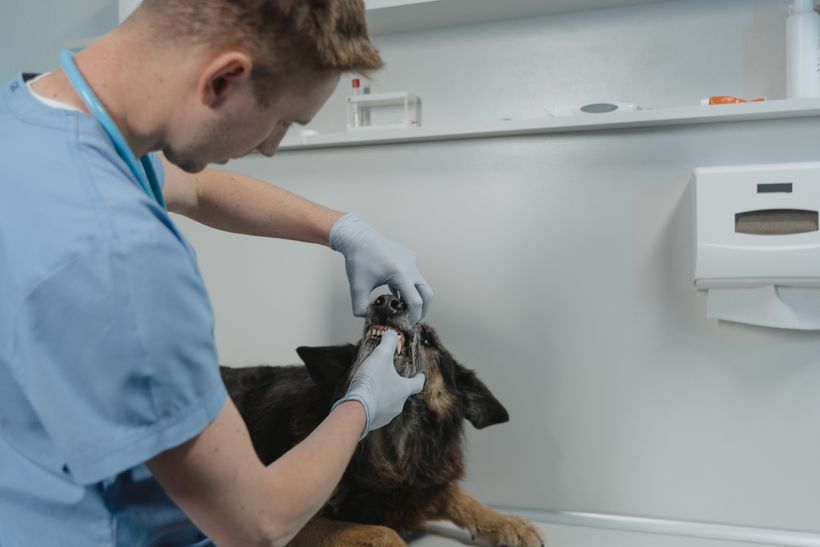
Diagnosis is based on specific blood tests, capable of detecting the presence of antibodies against the parasite. In some cases, the veterinarian may request further tests, such as cytological examination of the bone marrow or lymph nodes, to confirm the clinical picture.
Once the disease has been confirmed, treatment involves the use of specific medications that, while not fully eliminating the parasite, help keep symptoms under control and significantly improve the dog’s quality of life.
Naturally, continuously monitoring the animal’s overall state of health makes it possible to adjust treatment and diet according to how the disease progresses, in line with the treating veterinarian’s guidance.
How to prevent leishmaniosis in dogs
Prevention remains the most effective tool for protecting your pet, especially in areas where the sand fly is particularly widespread.
Repellents and environmental protection
Using specific antiparasitic products, such as repellent collars or spot-on treatments, considerably reduces the risk of being bitten. In addition, avoiding taking the dog outdoors in the evening during the hottest months helps limit exposure to the vector insect.
Vaccination and periodic check-ups
Specific vaccines exist that, while not guaranteeing complete protection, help reduce the risk of developing the symptomatic form of the disease. In this regard, having the dog undergo periodic check-ups through blood tests makes it possible to detect early warning signs, even in the absence of obvious symptoms.
Recommended diet for a dog with leishmaniosis
A dog with leishmaniosis needs targeted nutritional support, capable of sustaining the immune system and easing the workload on the kidneys, which are often affected by the disease.
Furthermore, it’s advisable to favor high-quality, easily digestible protein sources, while at the same time reducing phosphorus intake so as not to further strain the kidneys.
The choice of fatty acids also plays an important role, since they can help keep the skin and coat in good condition, which are often put to the test by the disease.
In this regard, following a diet rich in essential fatty acids, particularly Omega-3 and Omega-6, helps support the dog’s immune defenses. The following Naxos products are designed precisely to meet this need.
Adult Medium Fish and Citrus
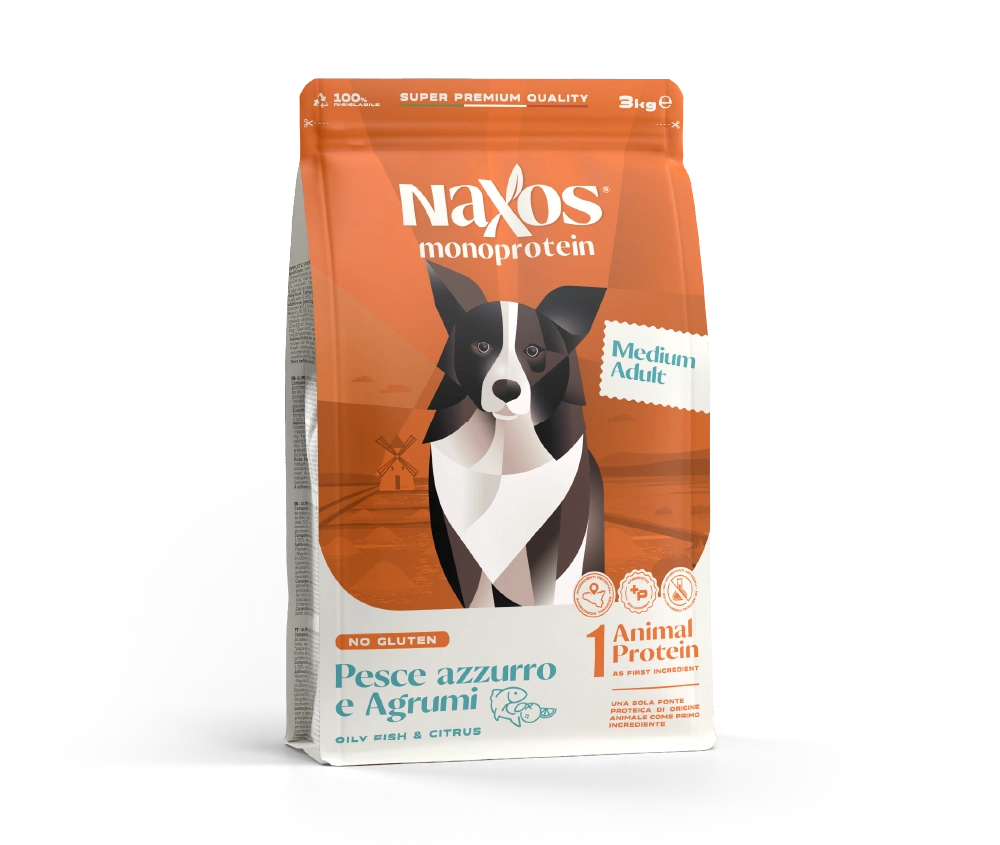
Naxos Adult Medium Fish and Citrus is a single-protein food designed for the maintenance of medium-sized adult dogs. The recipe is built around a single dehydrated animal protein source of Italian origin, blue fish, naturally rich in Omega-3, and is free from gluten, soy, corn or added artificial preservatives.
Among the ingredients, citrus fruits stand out for their antioxidant action, along with olive oil, beneficial for skin and coat health, and prickly pear, which supports healthy digestion.
From an analytical standpoint, the product contains 0.70% Omega-3 and 2.10% Omega-6, values designed to support the animal’s overall wellbeing.
Adult Maxi Valle Bruna

Naxos Adult Maxi Valle Bruna, on the other hand, is a multi-protein food intended for large-breed adult dogs, formulated with a mix of high-quality Italian animal protein sources, including beef, buffalo and lamb.
Here too, functional ingredients are not lacking, such as citrus fruits, beneficial for the immune system, pomegranate, which supports skin health, and pumpkin, which promotes healthy digestion.
The product provides 0.40% Omega-3 and 2.30% Omega-6, values that make it suitable for large-breed dogs with specific nutritional needs.
Frequently asked questions about leishmaniosis in dogs
The risk of direct transmission from dog to human is considered very low, since infection occurs mainly through the bite of an infected sand fly.
In most cases the disease becomes chronic, but with proper and consistent treatment the dog can go on to live a happy life for many years.
No breed is immune, although some, such as the Boxer and the German Shepherd, seem to show a greater predisposition to developing the symptomatic form of the disease.
The most critical period generally runs from May to October, when high temperatures favor sand fly activity.
Yes, keeping the dog indoors during the evening and nighttime hours, possibly with the help of mosquito screens, significantly reduces the risk of being bitten.